
Search Duval County Warrant Records
Duval County warrant records are managed at the courthouse in San Diego, Texas, a small community in South Texas between San Antonio and Corpus Christi. The Sheriff's Office tracks all active warrants from local courts. The County Clerk handles misdemeanor case records and the District Clerk keeps felony files from the 79th Judicial District Court. You can search for warrant records in Duval County by calling the Sheriff at 361-279-3322, visiting the courthouse in person, or using Texas state databases that compile records from courts across the state.
Duval County Overview
Duval County Sheriff Warrant Division
The Duval County Sheriff's Office maintains all active warrants from county courts. Call 361-279-3322 or visit the office in San Diego to check on a warrant. They handle warrant verification for the public and for other law enforcement groups.
Warrant records at the Sheriff's Office show the defendant's name, charges, bond amount, which court issued the warrant, and whether it is still active. The office works with other agencies on fugitive cases and manages extradition procedures for warrants from other counties. Under Texas Code of Criminal Procedure Chapter 15, every warrant must be based on probable cause and signed by a magistrate. Duval County follows these rules for all warrants that come through the system.
| Office | Duval County Sheriff's Office |
|---|---|
| Phone | 361-279-3322 |
| Location | San Diego, TX |
| Hours | Monday through Friday, regular business hours |
Looking Up Duval County Warrant Records
You have a few ways to search for warrant records in Duval County. Each method gets you different levels of detail.
The Duval County County Clerk keeps misdemeanor records. You can search by defendant name, case number, or date filed. Copies are $1.00 per page. Certified copies have an extra fee per Texas Government Code. The District Clerk files all felony records from the 79th Judicial District Court. Those records include indictments, plea agreements, sentencing orders, and case motions.
For statewide searches, the Texas DPS Crime Records service handles criminal history requests from across Texas. The DPS criminal history search pulls data from courts in every county. The Texas Judicial Branch website also has court record search tools.
If you cannot visit San Diego in person, you can mail a request to the clerk offices. Include the full name you need checked and a check or money order for copy fees. The clerk will pull matching records and send them back. Phone calls to the Sheriff work for basic checks on active warrants. But for full case files and printed documents, mail or in-person visits are the way to go. Duval County does not have its own online court records portal, so state-level tools from the Texas DPS are the closest thing to an online search for this county.
Duval County Warrant Types
Courts in Duval County issue several kinds of warrants. The type depends on the offense level and the court involved.
The District Attorney handles felony cases and grand jury presentations. Arrest warrants follow indictments when the defendant is not in custody. The County Attorney prosecutes misdemeanors and juvenile matters. Both offices work with law enforcement on case review and warrant paperwork.
Justice of the Peace Courts issue Class C misdemeanor warrants for traffic violations, ordinance cases, and school attendance issues. Constables serve warrants within their precincts. Bench warrants and capias warrants cover missed court dates and probation violations. Even minor JP warrants are enforceable across the state and can result in arrest during a routine traffic stop. If you have a JP warrant in Duval County, call the court to find out how to resolve it.
Warrants issued by Duval County courts stay active until resolved. They do not expire. A person with an open warrant can be arrested at any time by any peace officer in Texas. To clear a warrant, you can post bond at the courthouse in San Diego. The judge sets the bond amount based on the charge and the person's record. Once bond is posted, the person gets a new court date. The warrant record then shows it has been served. All of this gets tracked through the clerk offices and the Sheriff.
Note: The 79th Judicial District serves multiple South Texas counties, so some related cases may be filed at courthouses in neighboring counties.
Texas Law on Duval County Warrants
Duval County warrant records are public under the Texas Public Information Act. Request copies from any county office. If they refuse, the Texas Attorney General can review and rule on the matter.
The Texas DPS runs the state criminal history database and processes background checks. The TDCJ offender search covers felony convictions from every county in Texas.
Duval County shares the 79th Judicial District with nearby South Texas counties. The district judge splits time between courthouses. If you need to know when the next court session is in San Diego, call the District Clerk. They keep the schedule and can tell you when felony cases will be heard. Misdemeanor cases go through the county court on a more regular basis since the county judge is based locally. The Sex Offender Registry is a free tool that lets you search by county for registered offenders in Duval County.
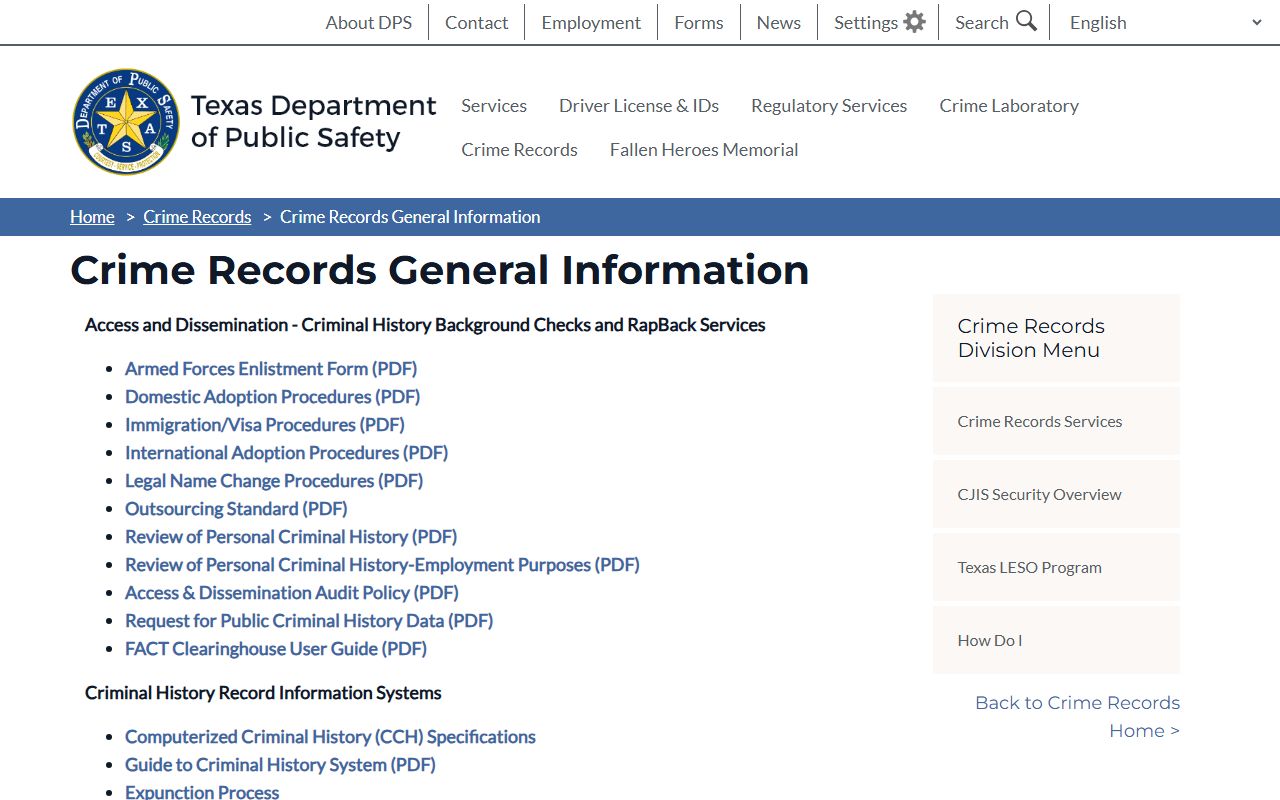
The DPS Crime Records page explains how to submit public records requests and what criminal history data is available from Duval County and other Texas courts.
Nearby Counties
These counties are near Duval County. Check which county has jurisdiction over the area before looking up warrant records.