
Dallas Warrant Records Database
Dallas warrant records are managed by the Dallas Municipal Court and Dallas County law enforcement agencies. The city is the third-largest in Texas, home to over 1.3 million people. The municipal court system processes more than 500,000 cases each year. Many of those cases produce warrants when people miss court dates or leave fines unpaid. County-level warrants for felonies and serious misdemeanors go through the Dallas County courts and the Sheriff's Office. You can check for active warrants through online portals, by phone, or by going to the courthouse in person.
Dallas Overview
Dallas Municipal Court Warrant Records
The Dallas Municipal Court handles Class C misdemeanor cases within city limits. Traffic citations, parking violations, and code enforcement cases all go through this court. Warrants are issued when someone fails to appear or does not pay a fine on time.
Dallas runs multiple court locations across the city. The main Municipal Courts Building sits at 2014 Main Street. Satellite courts handle cases in other parts of Dallas. Each location has its own docket schedule. The court locations page shows addresses and hours for all sites. You can walk in during business hours to check on a warrant or make a payment.
The Dallas warrant information page explains how warrants work in the municipal court system. Active warrants can be resolved by paying the fine, appearing before a judge, or setting up a payment plan. The court runs amnesty programs from time to time that let people clear old warrants at reduced cost. These events are posted on the city website.
Note: Dallas Municipal Court warrants are separate from Dallas County felony warrants.
How to Look Up Dallas Warrant Records
The Dallas Municipal Court offers online case search and warrant lookup. You can search by name or citation number. The system shows case details, charges, and warrant status. For county-level records, contact the Dallas County District Clerk or Sheriff's Office.
The Texas DPS criminal history search is another tool. This statewide database covers all Texas counties. It pulls up arrests, convictions, and open warrants. A small fee applies. The DPS Crime Records page walks you through the process step by step.
You can also search in person at the main courthouse on Main Street. Bring a valid ID. Staff can look up cases and tell you what you owe. If a warrant exists, they can help you figure out how to clear it that same day. The Dallas City Secretary handles public information requests if you need official copies of records from any city department.
Dallas Warrant Records and Legal Framework
Every warrant in Dallas must follow state law. Chapter 15 of the Texas Code of Criminal Procedure sets the rules. A magistrate has to sign the warrant. It must name the person, describe the offense, and be based on probable cause. Once signed, any peace officer in Texas can serve it.
The Dallas City Attorney's Office prosecutes Class C misdemeanors in Municipal Court. They review cases and represent the city in court proceedings. The office handles ordinance violations, traffic cases, and other municipal legal matters. When a warrant case goes to trial, the city attorney presents the case to the judge. Most municipal cases in Dallas are resolved without trial, but defendants have the right to a hearing if they choose.
Warrant records in Dallas are public under the Texas Public Information Act. Anyone can request these records. Some exceptions exist for certain law enforcement files, but basic warrant information like names, charges, and bond amounts is available to the public.
Dallas Police Department Records
The Dallas Police Department serves over 1.3 million residents. The Records Section provides public access to incident reports and accident reports. Municipal warrants, though, are kept by the court system. DPD does not maintain the warrant database.
If you need a police report or arrest record, you can submit a request to DPD online or in person. Fees apply for copies. The department follows state law on public records and processes requests within the statutory timeframe. For warrant checks specifically, the municipal court or county sheriff is the right place to call.
Paying Fines on Dallas Warrants
The Dallas Municipal Court payment page lists all the ways to pay. Online payments work with credit cards. You can also pay by cash, check, or money order at the courthouse. Payment plans are set up through the court for people who can not pay the full amount at once.
Outstanding warrants can lead to extra fees. Collection costs pile up over time. The longer you wait, the more it costs. Warrant fees, court costs, and collection charges all get added to the original fine amount. The fastest way to stop those costs from growing is to resolve the warrant as soon as possible. Dallas has multiple court locations, so pick the one closest to you to save time on the trip.
The Texas Department of Criminal Justice and Office of Court Administration provide statewide records that may include Dallas cases. The Texas Attorney General also has resources for people dealing with court-related issues.
Note: Payment plans require court approval and may include extra processing fees.
The screenshot below shows the City of Dallas official website, the main gateway for municipal services and court information.
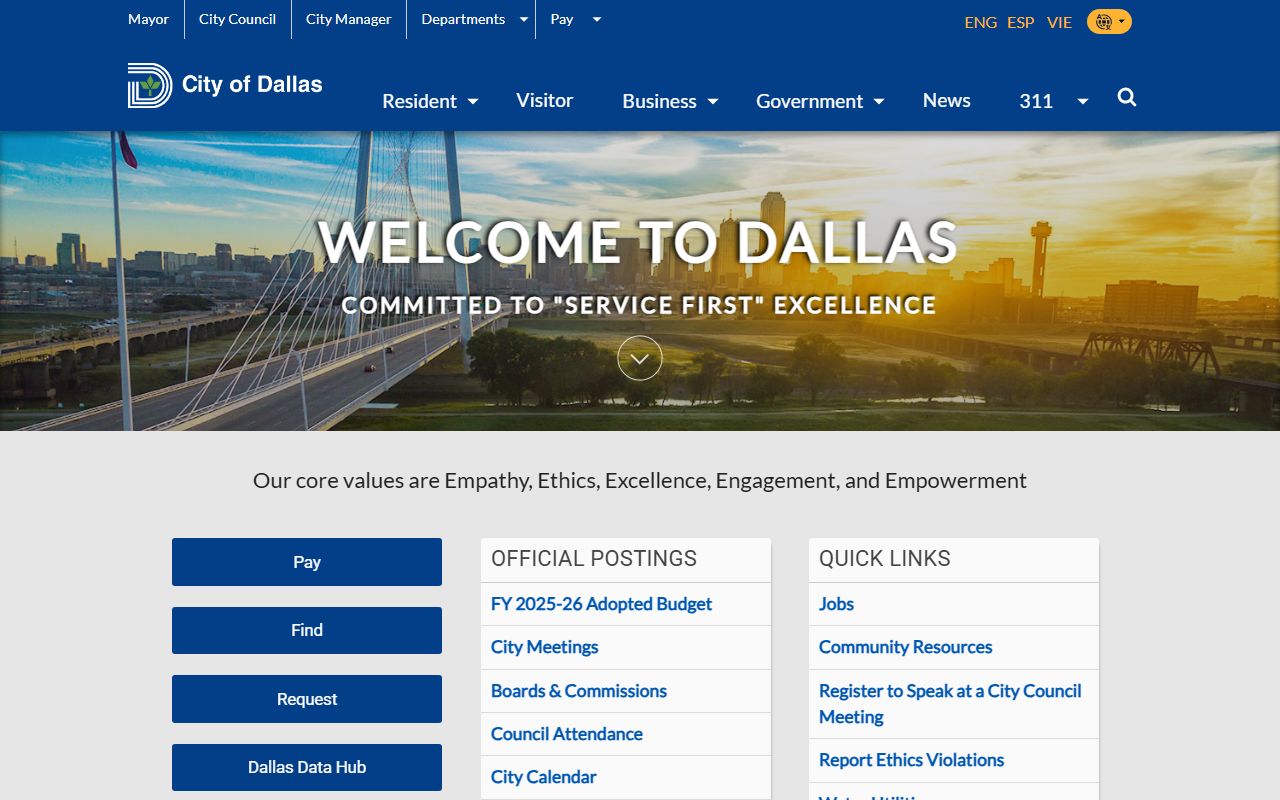
Through the city site you can reach the municipal courts, police department, and city attorney pages for Dallas.
The Dallas Police Department website offers information about law enforcement services and records access.
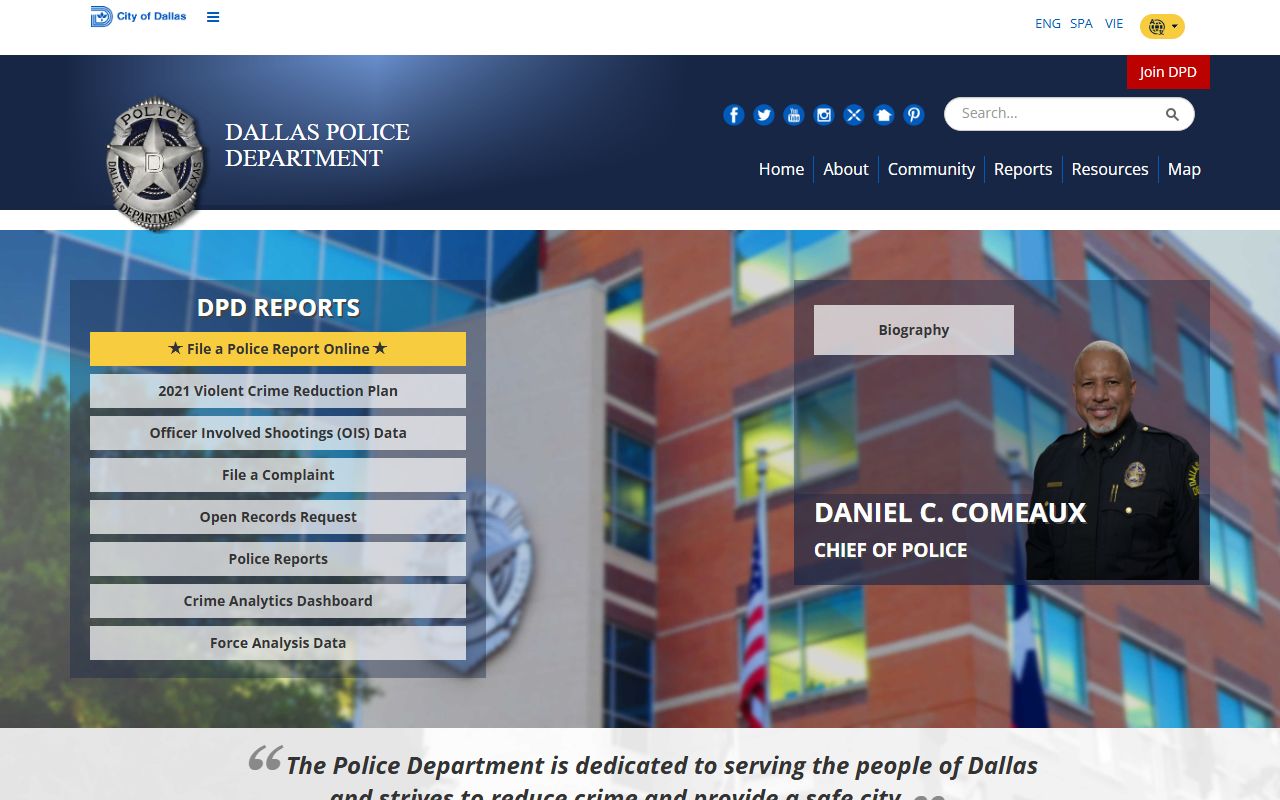
DPD records cover arrests and incidents. For warrant-specific searches, the municipal court is the primary resource in Dallas.
Nearby Cities
These cities are close to Dallas and maintain their own municipal court warrant systems.